
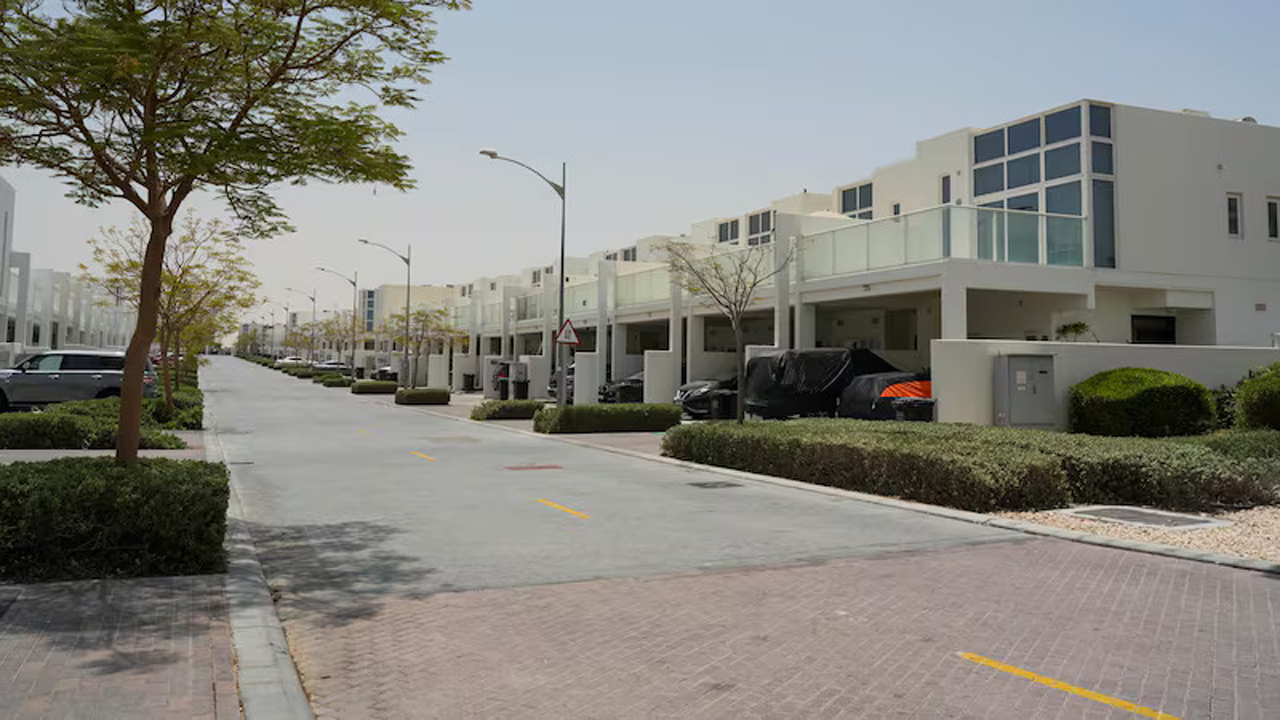
Question:
I have been living in a rented villa but recently became a freelancer and now work from home. I’m considering using the villa as a small office for two staff members and occasional client meetings. Can I do this without changing my tenancy? I want to stay compliant with rental laws.
— CL, Dubai
Answer:
Remote work by itself is generally not an issue. However, once you begin running a business from home – hiring staff, hosting client meetings, putting up signage, or storing inventory – you enter a regulated area requiring a business licence.
In Dubai, most commercial activities require a valid trade licence and a registered office (Ejari or free zone). While there is a home-based licence option called Intelaq, it is available only to Emiratis and Gulf nationals through Dubai SME.
As an expatriate, you would typically need either a mainland licence with a flexi-desk or a free zone licence with an approved workspace. Converting a rented villa into an office without:
- (a) your landlord’s written consent,
- (b) approval from the community or owners’ association, and
- (c) the proper licence,
could put you in breach of your lease and attract penalties if reported.
Even with Dubai’s instant e-licences, you must eventually formalise the office address. To avoid legal or tenancy issues, it is safer to keep the villa strictly residential and explore a co-working or flexi-desk solution. If eligible, Emiratis and GCC nationals can consider the Intelaq licence as the formal home-business route. Always document landlord consent and permitted use in an addendum.
Question:
My landlord plans to “green” the building with solar panels, LED retrofits, and chiller upgrades and says my rent will increase to cover the costs. Can he pass these costs on to me?
— PR, Dubai
Answer:
Under Dubai’s tenancy regulations, service and maintenance charges for common areas are the landlord’s responsibility unless your lease states otherwise. These charges are approved annually through Rera’s Mollak system and cover cleaning, security, maintenance, and capital improvements – such as the retrofits you mentioned.
Landlords cannot simply increase rent to recover these costs unless the increase falls within Dubai’s rent control framework. Any rent change at renewal must be communicated with 90 days’ written notice, and the maximum permissible increase is determined by the Dubai Land Department’s Smart Rental Index, which now considers the building’s star rating.
If the upgrades genuinely improve the building’s classification, the index may allow a rent rise – but it is the index, not the landlord’s expenses, that decides this.
Suggested action:
Request the Rera-approved budget from the owners’ association to confirm whether the work falls under common area expenses. If the landlord proposes a rent increase, ask for documentation from the DLD index justifying the amount. Any unlawful increase can be challenged at the Rent Disputes Committee.