The GCC real estate sector is forecast to continue its upward trend into the first half of 2026, building on the strong performance recorded in the second half of 2025, according to a new report by Kuwait Financial Centre (Markaz).
In its latest publication, Real Estate Outlook: H1 2026, Markaz provides an in-depth assessment of market conditions across key real estate segments in Kuwait, Saudi Arabia, and the United Arab Emirates.
The report highlights that higher oil output, expansion in non-oil economic activity, sustained government investment in infrastructure and development projects, and anticipated policy rate cuts are likely to enhance liquidity and credit growth. Together, these drivers are expected to stimulate borrowing and investment across residential, commercial, and industrial real estate sectors.
Kuwait: Stable Growth with Selective Upside Potential
Kuwait’s real estate market demonstrated steady growth during the first nine months of 2025, supported by rising land values and increasing rental rates within the investment (Istithmari) and commercial segments. Land prices recorded annual gains across various governorates, while investment property rents continued to edge higher.
Transaction activity remained robust, with total real estate sales climbing 26.9% year-on-year to KD 3,043 million (approximately $9.94 billion) over the first three quarters of 2025. Growth was broad-based across segments:
- Investment sales surged 60% year-on-year
- Residential sales rose 8%
- Commercial sales increased 17.4%
Transaction volumes expanded 27.8% year-on-year to 4,247 deals, reflecting stronger activity in residential, investment, and commercial properties.
Looking ahead, Kuwait’s real GDP is projected to expand by 3.9% in 2026, driven by increased oil production, stronger non-oil sector activity, higher project awards, and expected interest rate reductions. These conditions are anticipated to bolster demand for commercial and industrial real estate.
With a Markaz Real Estate Macro Index score of 3.45 out of 5, the outlook for Kuwait in H1 2026 remains stable, with potential for continued increases in land prices and rental values.
Saudi Arabia: Continued Acceleration
Saudi Arabia’s property market remained in an expansion phase during the second half of 2025, supported by vibrant residential activity and a tightly supplied office segment.
Residential transactions rose 17.9% quarter-on-quarter in Q3 2025, with Riyadh and Jeddah recording notable price appreciation. Developers continued accelerating supply through giga-projects and high-end residential developments.
The office market in Riyadh remained exceptionally tight, with vacancy levels near zero (0.5%), driving prime rents up 7.3% year-on-year. Demand has been supported by initiatives such as the Regional Headquarters Program, alongside growth in healthcare and technology sectors.
Although the fiscal deficit widened to 3.7% of GDP in 2025 and is projected to remain at similar levels in 2026, elevated capital expenditure under Vision 2030 is expected to sustain construction momentum and support demand across residential and commercial segments.
Population growth continues to reinforce housing demand. Saudi Arabia’s population reached 35.3 million by mid-2024, marking a 4.7% annual increase, with expatriates accounting for 44.4% of the total population.
Based on these indicators, Markaz expects Saudi Arabia’s real estate sector to maintain its accelerating trajectory into H1 2026, offering steady conditions with further upside potential for investors.
UAE: Strong Performance with Signs of Maturity
The UAE real estate market delivered robust results throughout the first three quarters of 2025.
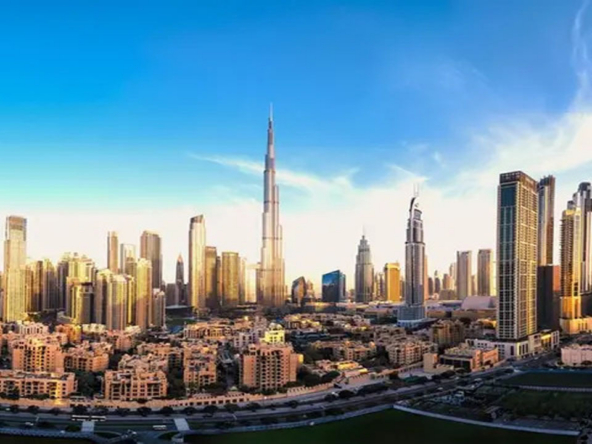
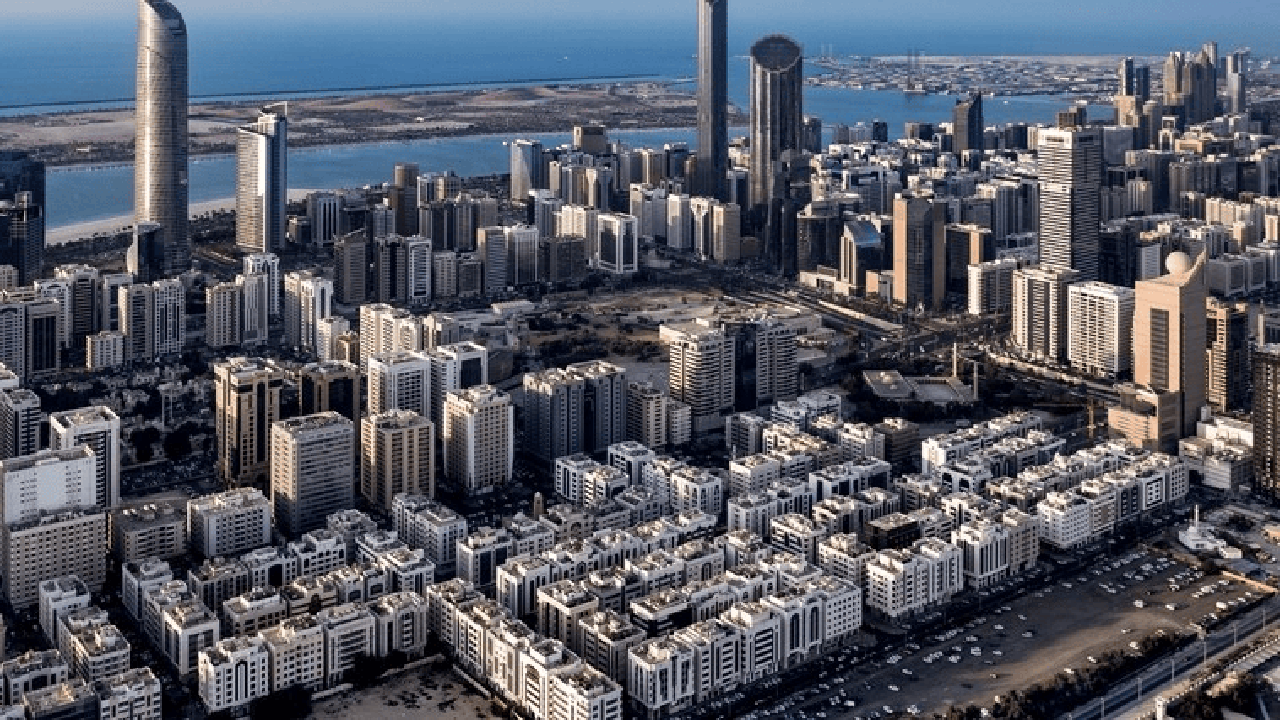
In Dubai, transaction values rose 28.3% year-on-year to AED 554.1 billion (approximately $150.9 billion). Meanwhile, Abu Dhabi recorded total sales of AED 58 billion, reflecting a 75.8% annual increase, with transaction volumes climbing 42.3% to 15,800 deals.
The UAE continues to provide competitive rental yields compared to major global markets. As of June 2025, Dubai’s rental yields stood at 7.47%, significantly outperforming cities such as Singapore (3%), New York (5.8%), and London (3.3%).
While Dubai’s sales values have exceeded prior-year levels for three consecutive years, questions around sustainability have begun to emerge. However, Markaz notes that the current cycle is supported by solid economic fundamentals, reducing the risk of a sharp market correction.
A period of moderation is anticipated over the medium term, with the possibility of the UAE market reaching a cyclical peak in H1 2026. Nonetheless, steady growth in prices and rental rates across both Dubai and Abu Dhabi is expected to continue in the near term.
Outlook for H1 2026
Despite evolving macroeconomic conditions, GCC real estate markets are projected to sustain positive momentum into H1 2026. Markaz concludes that the sector will remain a significant contributor to regional economic growth, presenting attractive opportunities across residential, commercial, and industrial real estate segments.